A British Landlords Association Guide for Landlords in England
Published: July 2026
The introduction of the Renters’ Rights Act 2025, which came into force on 1 May 2026, has significantly changed the way local authorities regulate the private rented sector. Councils across England now have a statutory duty to investigate and enforce breaches of housing law, with powers to issue civil penalties of up to £7,000 for many first breaches, rising to £40,000 for repeated or more serious breaches. In some cases, landlords may also face criminal prosecution.
Many of the penalties being issued in 2026 are not against rogue landlords, but against otherwise responsible landlords who have failed to keep up with the significant legislative changes.
This guide explains the 9 most common reasons landlords are receiving civil penalties and how you can avoid becoming one of them.
1. Failing to Provide the Renters’ Rights Information Sheet
One of the biggest enforcement issues during 2026 has been landlords failing to provide tenants with the mandatory Renters’ Rights Information Sheet 2026.
Every landlord with an existing tenancy affected by the new legislation was required to provide the official Information Sheet by 31 May 2026.
Failure to do so can result in:
- Civil penalties of up to £7,000
- Investigation by the local authority
- Possible further enforcement if other breaches are discovered
Many landlords simply did not realise this was a legal requirement.
How to avoid it
- Keep evidence that every tenant received the Information Sheet.
- Email it and retain delivery confirmation.
- Keep copies with your tenancy records.2. Serious Damp and Mould
Following several high-profile cases, councils have been given stronger powers to fine landlords where serious hazards remain unresolved.
Properties with:
- severe damp
- mould
- excessive condensation
- water penetration
Can now attract immediate enforcement.
From 22 June 2026, councils gained new powers to issue fines of up to £7,000 where landlords fail to remedy serious hazards that could reasonably have been addressed.
Best practice
- Inspect promptly after reports.
- Keep photographic evidence.
- Obtain contractor reports.
- Complete repairs quickly.
Record every communication.
2. Unsafe Electrical Installations
Unsafe electrics remain one of the highest enforcement priorities.
Typical issues include:
- damaged sockets
- exposed wiring
- overloaded consumer units
- failed Electrical Installation Condition Reports (EICRs)
Local authorities frequently issue Improvement Notices before imposing civil penalties if landlords fail to act.
3. Fire Safety Failures
Fire safety continues to generate substantial enforcement action.
Common examples include:
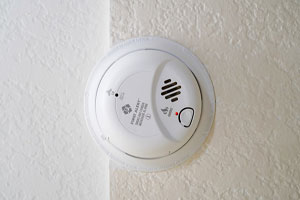
- missing smoke alarms
- defective fire doors
- blocked escape routes
- missing fire risk assessments (HMOs)
- inadequate fire detection systems
HMO landlords remain particularly vulnerable to enforcement.
4. Failing to Carry Out Essential Repairs
Many penalties arise because landlords simply ignore repair requests.
Examples include:
- leaking roofs
- defective heating
- broken boilers
- unsafe stairs
- dangerous flooring
Ignoring repair requests often escalates into formal complaints to Environmental Health.
Once council officers become involved, enforcement action becomes much more likely.
5. Discriminating Against Tenants
The Renters’ Rights Act has strengthened protections against discrimination.
Landlords must not refuse applicants simply because they:
- receive Universal Credit
- receive housing benefits
- have children
Blanket policies such as “No DSS” or “No Children” are no longer acceptable and may lead to enforcement action.
6. Requesting Rent Before the Tenancy Agreement Is Signed
This is a completely new area, catching many landlords out.
Landlords must not:
- demand rent before the tenancy agreement has been entered into
- accept rent before the tenancy begins in circumstances prohibited by the Act
Many landlords have continued using outdated tenancy procedures.
These practices now expose landlords to civil penalties.
7. Rental Bidding Wars
Landlords must advertise properties with a fixed asking rent.
They must not:
- encourage higher offers
- invite bidding
- accept rent above the advertised amount through competitive bidding
This practice has been prohibited under the new legislation.
8. Attempting to Use Outdated Tenancy Practices
Some landlords continue to use documents and procedures that no longer exist under the new legal framework.
Examples include:
- attempting to create new fixed-term assured tenancies where prohibited
- relying on abolished possession procedures
- using outdated tenancy agreements
- serving obsolete documentation
Local authorities are increasingly identifying these errors during investigations.
9. Poor Record Keeping
Perhaps the biggest issue facing landlords in 2026 is poor administration.
Many landlords carry out repairs correctly but cannot prove it.
If investigated, councils may ask for evidence including:
- inspection reports
- repair invoices
- certificates
- emails
- tenancy documents
- photographs
- maintenance logs
Without documentary evidence, landlords often struggle to demonstrate compliance.
Good records are often the difference between no action and a substantial financial penalty.
Other Common Reasons for Civil Penalties
Local authorities are also taking enforcement action for:
- Failure to comply with Improvement Notices
- HMO licensing offences
- Failure to license selective licensing properties
- Overcrowding
- Illegal eviction
- Harassment of tenants
- Failure to comply with management regulations
- Breaching banning orders
- Future failures to join the Private Rented Sector Database or Ombudsman when required.
How Much Can the Penalties Be?
Depending upon the offence, landlords may face:
| Breach | Typical Maximum Civil Penalty |
|---|---|
| First breach | Up to £7,000 |
| Repeat or serious breach | Up to £40,000 |
| Certain offences | Criminal prosecution may also be considered |
The amount imposed depends upon factors such as:
- seriousness
- previous history
- landlord cooperation
- financial benefit obtained
- level of culpability.
How to Protect Yourself
The best landlords are now treating compliance like an annual health check.
A sensible compliance review should include:
- Reviewing tenancy agreements.
- Confirming all mandatory documents have been served.
- Keeping up-to-date gas, electrical and EPC certificates where required.
- Recording all inspections.
- Responding promptly to repair requests.
- Maintaining detailed property records.
- Keeping photographic evidence of inspections and repairs.
- Staying informed about legislative changes.
Being proactive is almost always cheaper than defending enforcement action.
Final Thoughts
The private rented sector has entered a new era of regulation. Local authorities now have stronger duties and enhanced powers to investigate breaches, issue financial penalties and, where appropriate, prosecute non-compliant landlords.
The majority of landlords will never receive a civil penalty if they remain informed, maintain safe properties, keep accurate records and comply with their legal obligations.
At the British Landlords Association, we encourage landlords not to view compliance as an administrative burden, but as an essential part of professional property management. A well-managed property protects tenants, preserves your investment and significantly reduces the risk of enforcement action.
The British Landlords Association is a national landlord association, one of the largest in the UK. The BLA is the only landlords’ association in the UK that represents and supports both commercial and residential landlords. Join us now for £89.95!