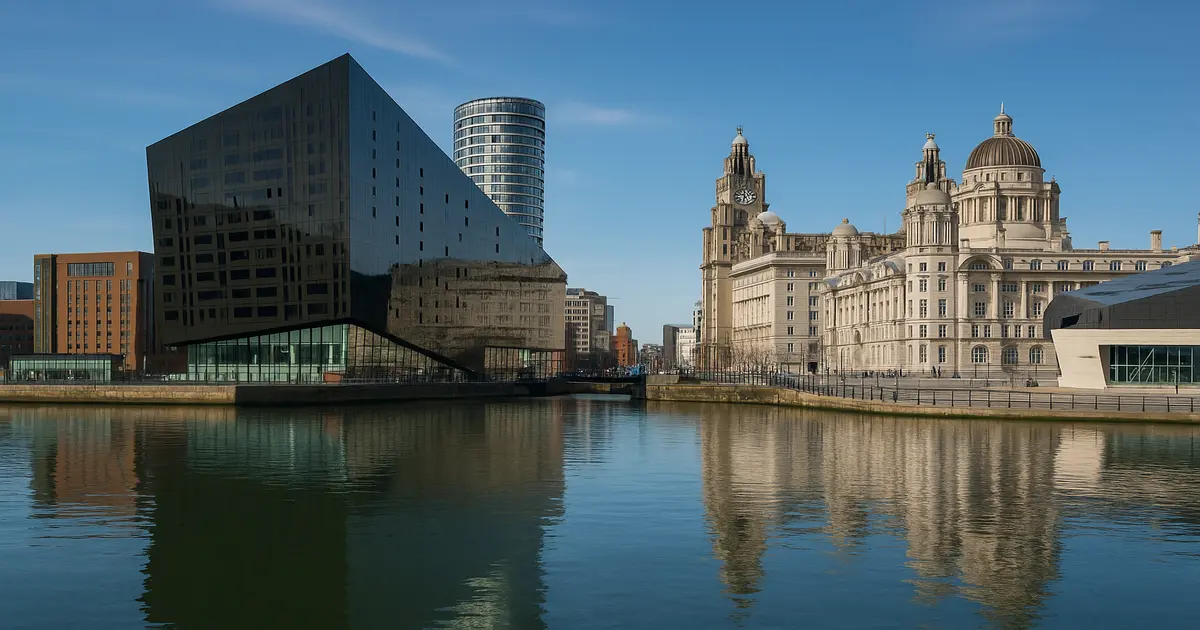
Should I Buy Commercial Property in Liverpool, UK?
Liverpool has long been recognised as one of the UK’s most dynamic cities for both culture and commerce.
For investors considering whether to buy commercial property in Liverpool, UK, the decision involves weighing the city’s economic opportunities, regeneration projects, and high-yield potential against specific market challenges.
The question of whether I should buy commercial property in Liverpool, UK, cannot be answered with a simple yes or no; instead, it depends on your investment goals, risk tolerance, and market knowledge.
Liverpool’s Commercial Property Market Overview
Liverpool’s economy has undergone a significant transformation over the past two decades, moving from a post-industrial decline to a vibrant hub for retail, tourism, logistics, and creative industries.
The commercial property market here includes office spaces, retail units, industrial estates, and mixed-use developments.
Key drivers of growth include:
- The Knowledge Quarter – A £1bn regeneration project aimed at creating a global innovation district.
- Liverpool Waters – A £5bn waterfront development revitalising commercial and residential spaces.
- Strong tourism economy – Attracting millions of visitors annually, boosting hospitality and retail sectors.
These projects are increasing demand for high-quality commercial spaces, making commercial property in Liverpool, UK, an appealing option for many investors.
Financial Advantages of Buying Commercial Property in Liverpool
One of the strongest arguments in favour of buying commercial property in Liverpool, UK, is the relatively high rental yield potential compared to southern cities such as London.
Higher Rental Yields
Commercial yields in Liverpool often outperform other major UK cities. Industrial and logistics properties, in particular, are in strong demand due to Liverpool’s port facilities and expanding e-commerce sector.
Lower Entry Costs
Compared to London or Manchester, Liverpool offers lower average purchase prices, meaning investors can secure prime locations at a fraction of the cost. This lower barrier to entry also helps spread risk across multiple units or property types.
Regeneration-Led Capital Growth
Ongoing regeneration projects are expected to improve the long-term value of many commercial assets. Strategic buying now could see strong capital appreciation in the next decade.
Diverse Tenant Base
The city’s economy is not reliant on a single industry, which can help mitigate risk. Sectors such as healthcare, education, retail, hospitality, and logistics all contribute to steady tenant demand.
Challenges and Risks of the Liverpool Commercial Property Market
While the advantages are clear, it’s equally important to consider the potential challenges before deciding whether to buy commercial property in Liverpool, UK.
Economic Sensitivity
Liverpool’s economy, though resilient, can be more vulnerable to national economic fluctuations, especially in the retail and leisure sectors.
Area Disparities
While some postcodes enjoy strong demand and rising values, others have slower growth and higher vacancy rates. A poor location choice can lead to extended void periods.
Regeneration Dependency
Some parts of Liverpool rely heavily on planned developments. If regeneration projects stall or are scaled back, predicted capital growth may not materialise.
Business Rates and Maintenance
Investors must budget for business rates, service charges, and upkeep, which can be significant for larger or older commercial properties.
Best Areas to Buy Commercial Property in Liverpool, UK
When deciding whether to buy commercial property in Liverpool, UK, location is critical. Here are some of the most promising areas:
Liverpool City Centre
The commercial core is ideal for office investments and retail units. Proximity to transport links, shopping districts, and hospitality venues ensures steady tenant demand.
Baltic Triangle
Known for its creative and tech industries, the Baltic Triangle is a regeneration hotspot with growing demand for co-working spaces, cafes, and boutique retail units.
Knowledge Quarter
Close to major universities and hospitals, this area attracts research companies, educational institutions, and healthcare tenants.
Liverpool Waters & Docklands
Large-scale regeneration is turning this waterfront area into a business and leisure destination, offering excellent long-term investment potential.
Speke and South Liverpool
These areas benefit from industrial and logistics growth, with good transport links to the motorway network and the airport.
Areas to Approach with Caution
Some locations in Liverpool present higher risks for investors considering whether to buy commercial property in Liverpool, UK.
Outlying Districts with Low Footfall
Certain suburban and peripheral areas lack strong commercial demand, leading to higher vacancy rates.
Over-Supplied Retail Zones
Parts of the city affected by retail decline may take years to recover, making them less attractive for high-street investments.
Areas Awaiting Regeneration Funding
Some zones are marketed as “up-and-coming” but have uncertain timelines for planned development. Without confirmed funding, these areas may stagnate.
Commercial Property Types and Opportunities
Retail
Prime city centre retail still attracts strong brands and footfall, although the sector faces ongoing challenges from online competition.
Office Space
Flexible, modern office spaces are in demand in the Knowledge Quarter and city centre, especially from tech and creative sectors.
Industrial and Logistics
With the Port of Liverpool expanding, warehouses and distribution hubs are a solid choice for long-term, stable rental income.
Hospitality
Liverpool’s thriving tourism and events industry supports steady demand for restaurants, hotels, and entertainment venues.
Financing and Legal Considerations
Before you buy commercial property in Liverpool, UK, it’s essential to plan your financing and understand the legal obligations.
- Commercial Mortgages – Typically require larger deposits than residential property (25%–40%).
- Due Diligence – Full property surveys, planning checks, and tenant covenant reviews are essential.
- Tax Implications – Consider business rates, VAT on commercial property, and potential capital gains tax.
- Lease Structures – Ensure you understand full repairing and insuring (FRI) leases, break clauses, and rent review terms.
Future Outlook for Liverpool Commercial Property
The outlook for the Liverpool commercial property market remains positive, driven by:
- Ongoing regeneration and infrastructure improvements.
- Growth in the creative, tech, and logistics sectors.
- Increased inward investment from both domestic and international buyers.
However, market performance will still depend on wider economic conditions, making careful research and strategic buying essential.
Final Verdict – Should I Buy Commercial Property in Liverpool, UK?
If you are looking for a location with strong regeneration prospects, diverse tenant demand, and comparatively low entry costs, then Liverpool presents a compelling case.
The potential for high yields and capital growth is strong, particularly in areas like the Baltic Triangle, Knowledge Quarter, and Liverpool Waters.
That said, success in this market depends on selecting the correct location, understanding sector demand, and being prepared for potential market fluctuations.
Investors who take the time to research and align their purchases with future growth areas are more likely to see excellent returns.
In short, if your investment strategy is well-planned and you choose carefully, the answer to Should I buy commercial property in Liverpool, UK could very well be “yes.”
Our top read blogs:
Free Legal Advice for Commercial Property Landlords in the UK
Why Landlords Are Increasingly Favouring Semi-Commercial Property Investments
The British Landlords Association is a national landlord association, one of the largest in the UK. The BLA is the only landlords’ association in the UK that represents and supports both commercial and residential landlords. Join us now for £89.95!