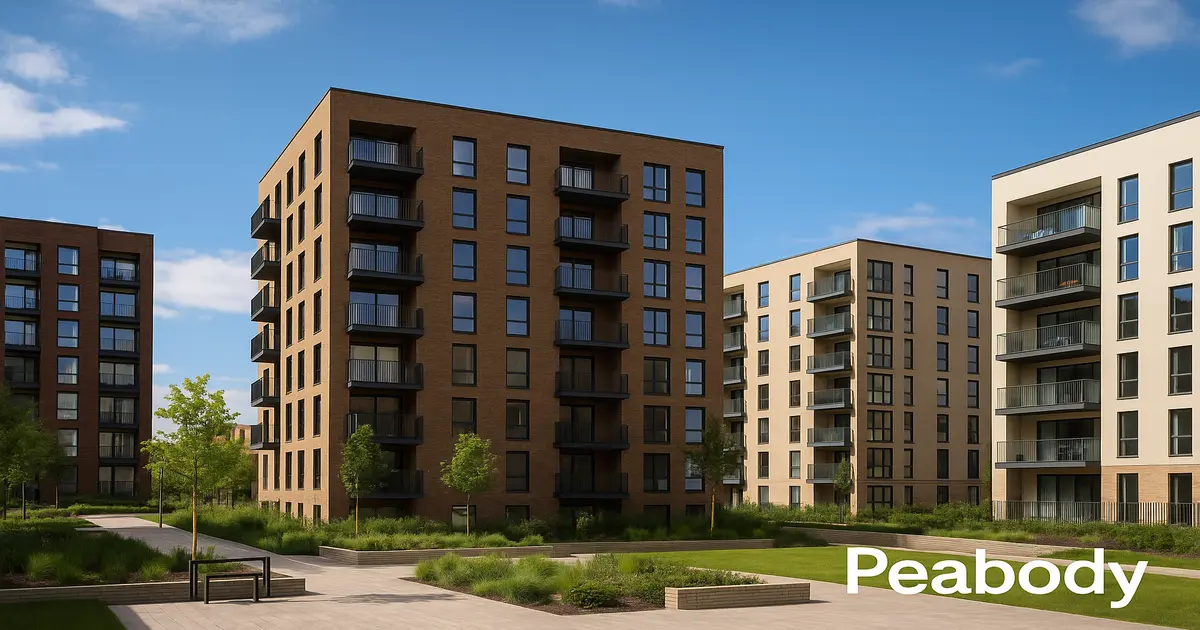
Peabody Trust – A Legacy of Affordable Housing and Community Building in London
The Peabody Trust is one of the largest and oldest housing associations in the United Kingdom, managing over 100,000 homes across London and the Home Counties.
Established over 160 years ago, Peabody has become synonymous with affordable housing, community regeneration, and urban renewal, helping to shape the capital’s residential landscape from the Victorian era to the modern day.
A Historic Legacy of Social Purpose
Founded in 1862 by American philanthropist George Peabody, the organisation was created to provide safe, clean, and affordable housing for London’s working poor.
His vision was rooted in compassion and social reform, offering not just homes, but hope and dignity to thousands of families struggling with poor housing conditions in 19th-century London.
This founding ethos remains at the core of Peabody Trust’s mission today.
Though the scale and challenges of housing have evolved, the organisation’s purpose to make London a fairer, more equitable city remains unchanged.
Scale and Reach Across London and Beyond
With over 100,000 homes under management, Peabody is one of the UK’s leading housing providers. Its reach extends across:
- Greater London – serving boroughs from Hackney and Southwark to Westminster and Greenwich.
- The Home Counties – including Essex, Kent, and Hertfordshire.
- New developments across the South East are expanding opportunities for affordable housing outside London’s traditional boundaries.
Peabody’s homes include social rent, affordable rent, shared ownership, and private sale properties, ensuring mixed communities that reflect the diversity of London itself.
The Modern Peabody – Mergers and Expansion
In recent years, Peabody has undergone a period of significant growth through mergers with other major housing organisations. The most notable was its 2022 merger with Catalyst Housing, another significant housing association.
This strategic partnership strengthened Peabody’s capacity, creating one of the most significant housing associations in the UK with combined expertise in housing management, development, and community engagement.
The unified group continues to operate under the Peabody name, reinforcing its historic brand while expanding its operational scale.
Building New Homes and Regenerating Communities
Peabody’s development arm is one of the most active in the UK, delivering thousands of new homes annually.
The organisation’s focus extends beyond construction to long-term place-making, creating sustainable, well-designed neighbourhoods that balance social, economic, and environmental priorities.
Key projects include:
- Thamesmead Regeneration (South East London) – a 30-year transformation programme delivering 20,000 new homes alongside improved transport links, parks, and community infrastructure.
- Fish Island Village (Hackney Wick) – a mixed-use development combining homes, workspace, and creative hubs.
- Whitechapel and Battersea Schemes – partnerships with local authorities to deliver high-quality affordable housing in central London.
Each of these projects reflects Peabody’s integrated approach to urban renewal, blending architecture, accessibility, and sustainability.
Affordable Housing at the Core
Peabody’s mission remains focused on providing genuinely affordable homes. The trust manages:
- Social rent homes for low-income residents.
- Intermediate and affordable rent for those priced out of the private rental market.
- Shared ownership schemes are helping first-time buyers onto the housing ladder.
This diverse housing mix enables Peabody to serve a broad range of residents, including families, young professionals, retirees, and individuals with vulnerabilities.
Through these efforts, Peabody remains a key partner to local authorities and the Greater London Authority (GLA) in addressing London’s ongoing housing crisis.
Sustainability and Design Excellence
Sustainability is a defining feature of Peabody’s modern developments. The organisation has pledged to become net-zero carbon by 2050, aligning with national and local environmental goals.
Its sustainability strategy focuses on:
- Energy-efficient building design, with improved insulation and renewable energy systems.
- Green public spaces and biodiversity corridors.
- Community energy schemes to lower residents’ bills and carbon footprints.
Peabody’s architectural standards prioritise both beauty and functionality, creating homes that contribute positively to the urban environment while ensuring long-term environmental performance.
Community Investment and Support
Peabody’s commitment extends well beyond bricks and mortar. Through its Community Foundation, the organisation invests millions of dollars annually in projects supporting education, employment, health, and wellbeing.
Programmes include:
- Training and employment services that help residents gain new skills and secure employment.
- Youth engagement initiatives, including sports, mentoring, and creative projects.
- Community grants and events, fostering cohesion and local pride.
- Financial wellbeing programmes, providing debt and budgeting advice.
These initiatives illustrate Peabody’s holistic approach to community building — supporting residents not just as tenants, but as neighbours and active citizens.
Adapting to Challenges
Despite its scale and experience, Peabody faces many of the same challenges as other significant housing associations:
- Maintenance and safety across an extensive, ageing property portfolio.
- High construction costs amid inflation and supply shortages.
- Balancing affordability and sustainability within financial constraints.
- Regulatory scrutiny under the UK’s evolving social housing framework.
In response, Peabody has strengthened its governance, increased transparency, and enhanced resident engagement to ensure accountability and trust remain at the heart of its operations.
Innovation and Digital Transformation
Peabody has embraced innovation to modernise its operations and improve resident experience. It utilises digital platforms for maintenance reporting, rent payments, and feedback, ensuring faster responses and improved communication.
Technology also supports data-driven asset management, allowing the organisation to identify maintenance priorities, improve building efficiency, and plan long-term investments more effectively.
Peabody’s Vision for the Future
Looking ahead, Peabody’s focus remains on building and sustaining great places to live. Its strategic goals include:
- Delivering thousands of new affordable homes each year.
- Investing in existing estates to ensure safety, quality, and comfort.
- Driving economic growth through regeneration and local partnerships.
- Embedding sustainability and social value in every project.
The trust’s long-term vision is clear: to make London and the surrounding regions places where everyone has access to a safe, secure, and affordable home.
Conclusion
Peabody Trust embodies the best traditions of social housing — compassion, innovation, and long-term vision.
From its 19th-century philanthropic roots to its 21st-century role as a developer and community builder, it remains one of the most respected and influential housing associations in the UK.
With more than 100,000 homes under management, ongoing regeneration projects, and a deep commitment to social progress, Peabody continues to shape London’s housing story — proving that strong communities begin with secure, well-designed homes.
Our top-read blogs:
Is Commercial Property a Good Investment in England & Wales?
Commercial Property Rent Review Protocol
Investing in Commercial Property vs Residential Property: The Advantages and Disadvantages
The British Landlords Association is a national landlord association, one of the largest in the UK. The BLA is the only landlords’ association in the UK that represents and supports both commercial and residential landlords. Join us now for £89.95!