Win Disrepair’s Legal Fallout
The issue of disrepair in rental housing continues to dominate headlines. Recently, the Housing Ombudsman issued a damning report against 16 landlords, including Lambeth Council, for failing to maintain windows in their properties.
The Ombudsman described the situation as “inexcusable,” highlighting how poor maintenance is leading to growing enforcement action, tenant complaints, and legal claims.
This case, dubbed Win — Disrepair’s Legal Fallout, is a stark reminder of the risks landlords face when property upkeep is neglected.
The Ombudsman’s Findings
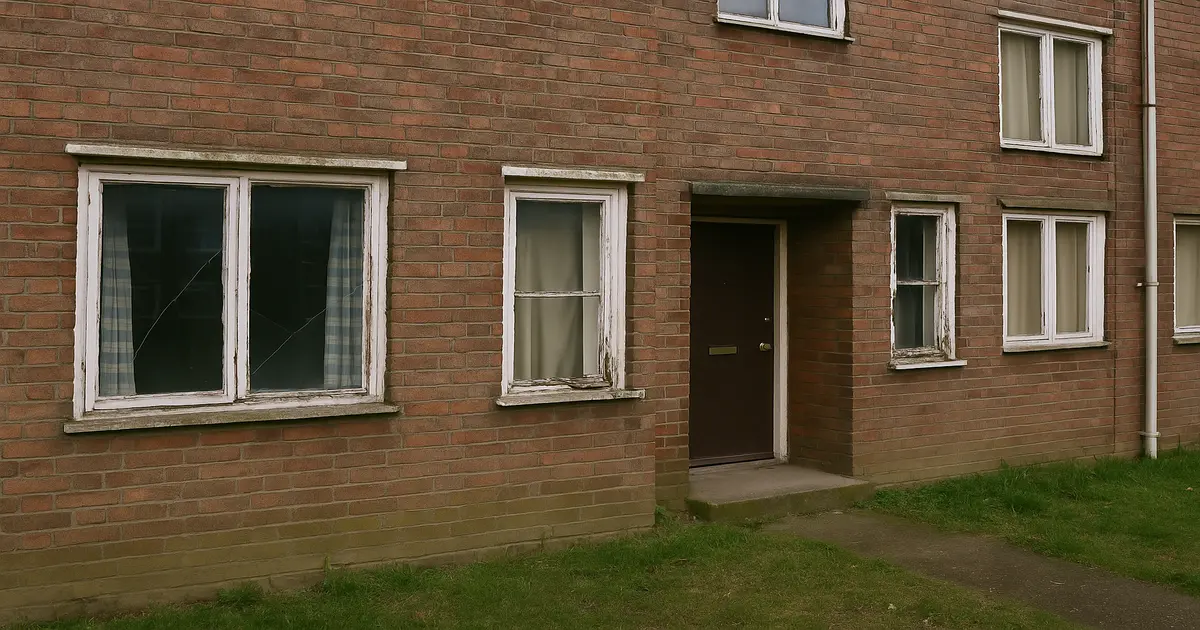
The Ombudsman’s report focused on widespread neglect in dealing with faulty or broken windows. Tenants had complained for years about draughts, leaks, and security risks, yet little action was taken.
Lambeth Council and other landlords were found to have breached their obligations by ignoring urgent repair requests.
In the context of Win — Disrepair’s Legal Fallout, this decision is significant because it sends a clear message: housing providers can no longer hide behind excuses of cost or administrative delays. Failure to act on essential repairs directly undermines tenant safety and legal obligations.
Tenant Rights and Landlord Duties
UK housing law places strict duties on landlords to ensure homes are safe, habitable, and free from hazards. The Landlord and Tenant Act 1985 requires landlords to keep the structure and exterior of properties in good repair, which includes windows.
Similarly, the Homes (Fitness for Human Habitation) Act 2018 empowers tenants to take landlords to court if conditions fall below acceptable standards.
When landlords fail to maintain windows, tenants are not only exposed to cold and damp but also at risk of burglary or injury. The Ombudsman’s condemnation underlines how disrepair can quickly escalate into a legal battle, feeding into the broader narrative of Win — Disrepair’s Legal Fallout.
Enforcement and Legal Action
Enforcement is becoming stricter. Local authorities are under pressure to pursue landlords who ignore their repair duties. Tenants are increasingly aware of their rights and are using the Ombudsman, the courts, and even the media to highlight negligence.
In Win — Disrepair’s Legal Fallout, landlords face multiple legal consequences:
- Compensation claims for tenants suffering inconvenience or health issues.
- Orders from the courts or tribunals to carry out urgent repairs.
- Damage to reputation, especially for councils and housing associations.
- Potential fines and increased regulatory oversight.
Impact on Councils and Private Landlords
The fallout is not confined to large local authorities like Lambeth. Private landlords, especially smaller operators, are equally at risk if they fail to keep up with maintenance. The legal standard applies similarly, whether the landlord owns a single property or manages thousands.
In Win — Disrepair’s Legal Fallout, the Housing Ombudsman’s findings create a precedent that private landlords should pay close attention to. Neglecting something as basic as window repair can expose landlords to severe consequences.
The Financial Burden of Neglect
Ignoring repairs may seem like a cost-saving measure in the short term, but the long-term financial fallout is severe. Compensation payouts, legal fees, enforcement fines, and higher insurance premiums quickly add up.
For councils already under budget pressure, this compounds financial strain. For private landlords, the costs can threaten the viability of their business.
Win — Disrepair’s Legal Fallout shows that poor maintenance is not just a tenant issue—it directly affects landlords’ profit margins and long-term stability.
Reputation and Market Confidence
Confidence in the rental market depends on consistent maintenance and professional management. High-profile cases of disrepair undermine trust in landlords and discourage investment in the sector.
For potential investors, particularly those looking at high street buy-to-let opportunities, the message is clear: neglect damages not only tenants but also the overall attractiveness of the property market.
This reputational damage is at the heart of Win — Disrepair’s Legal Fallout, as media coverage amplifies tenant experiences and political pressure builds for further regulation.
Preventing Future Legal Fallout
The lessons from this case are straightforward but critical. Landlords must:
- Conduct regular property inspections to identify issues early.
- Prioritize urgent repairs, especially those affecting health, safety, or security.
- Keep clear records of maintenance requests and actions taken.
- Budget realistically for ongoing maintenance, rather than deferring repairs.
By adopting a proactive approach, landlords can avoid the legal and reputational fallout demonstrated in Win — Disrepair’s Legal Fallout.
The Role of the Housing Ombudsman
The Ombudsman plays a crucial role in upholding tenant rights and holding landlords accountable. Its reports often lead to wider enforcement action, new regulatory initiatives, and political debate.
The Ombudsman’s strong language in this case, branding landlords’ failures as “inexcusable”, signals a more rigid stance in the future.
This aligns with the broader theme of Win — Disrepair’s Legal Fallout, showing that tolerance for neglect is diminishing.
Tenant Health and Wellbeing
Disrepair is not just a technical issue; it directly impacts tenant wellbeing. Draughty or broken windows can lead to damp, mould, and respiratory illnesses. Security concerns increase stress, while prolonged disputes damage trust between landlord and tenant.
Win — Disrepair’s Legal Fallout illustrates how neglect of even a single building component, like windows, has far-reaching consequences for both sides of the rental relationship.
Political and Policy Implications
The Ombudsman’s findings are likely to fuel political calls for stronger landlord regulation. With housing quality a primary public concern, MPs and campaigners will point to cases like Lambeth’s as evidence of systemic failure.
Future reforms could include stricter licensing, higher penalties, and tighter enforcement powers. Win — Disrepair’s Legal Fallout therefore has broader implications beyond the individual landlords named, shaping the policy environment for years to come.
Best Practice for Landlords
Landlords who want to avoid falling into similar disputes should adopt best practice strategies:
- Establish clear maintenance schedules.
- Use qualified contractors for repairs.
- Communicate transparently with tenants about timelines and progress.
- Provide tenants with clear channels for reporting issues.
Implementing these measures protects landlords against the consequences highlighted in Win — Disrepair’s Legal Fallout.
FAQs
What does the Ombudsman’s ruling mean for landlords?
It shows that failure to maintain essential property features like windows can trigger enforcement, compensation claims, and reputational damage.
Does the ruling only apply to councils?
No. The same legal obligations apply to private landlords, housing associations, and councils.
What legal rights do tenants have in disrepair cases?
Tenants can complain to the Housing Ombudsman, apply to court under the Homes (Fitness for Human Habitation) Act, or seek compensation for inconvenience and health impacts.
How can landlords avoid similar fallout?
Regular inspections, prompt repairs, clear records, and transparent communication are key preventive steps.
What is the broader impact on the property market?
High-profile cases reduce investor confidence, increase regulatory scrutiny, and can fuel political pressure for reform.
Conclusion
Win Disrepair’s Legal Fallout serves as a warning to all landlords. The Ombudsman’s ruling against Lambeth Council and 15 others underscores that disrepair is not a minor issue but a legal, financial, and reputational risk.
For both councils and private landlords, the lesson is clear: proactive maintenance is far less costly than legal fallout. By prioritizing repairs and respecting tenant rights, landlords can protect their investments, safeguard their reputation, and contribute to a healthier rental sector.
Important Update – Section 21 Abolished
Please note that under the Renters’ Rights Act 2025, Section 21 ‘no-fault’ eviction notices have been abolished. Section 8 notice Form 3A has been amended. This means landlords in England can no longer rely on Section 21 to regain possession of a property.
All possession claims must now be made using the statutory grounds under Housing Act 1988 (as amended), such as rent arrears, breach of tenancy, or other specified grounds.
Any guidance in this article relating to Section 21 reflects the legal position prior to these changes and is now provided for historical or contextual understanding only. Landlords should ensure they are following the updated legal framework before taking any action.
Our top-read blogs:
Is Commercial Property a Good Investment in England & Wales?
Commercial Property Rent Review Protocol
Investing in Commercial Property vs Residential Property: The Advantages and Disadvantages
The British Landlords Association is a national landlord association, one of the largest in the UK. The BLA is the only landlords’ association in the UK that represents and supports both commercial and residential landlords. Join us now for £89.95!
Useful External Links
https://www.housing-ombudsman.org.uk