Understanding the Schedule of Dilapidations for UK Commercial Tenants
A Schedule of Dilapidations is a formal document that can cause significant concern for UK commercial tenants. It outlines alleged breaches of lease repair, maintenance, decoration, or reinstatement obligations, usually issued towards the end or during the term of a lease.
Understanding the Schedule of Dilapidations for UK commercial tenants is essential to avoid unexpected costs, protect business continuity, and manage landlord-tenant relationships effectively.
This guide explains the purpose, legal framework, process, and common disputes surrounding a Schedule of Dilapidations. It also provides practical strategies for UK commercial tenants to respond to and mitigate liability.
What is a Schedule of Dilapidations?
A Schedule of Dilapidations is a written statement prepared, typically by the landlord’s surveyor, detailing items that the tenant has allegedly failed to maintain or repair by the lease terms.
It may include structural repairs, decoration, removal of alterations, and compliance with statutory requirements.
For UK commercial tenants, understanding the Schedule of Dilapidations is crucial because it directly relates to the legal and financial obligations under the lease. The document can lead to significant claims for damages if not handled properly.
When is a Schedule of Dilapidations Served?
There are generally three main points when a landlord may serve a Schedule of Dilapidations on a commercial tenant:
- Interim Schedule – Served during the lease term, identifying repairs or compliance issues that should be addressed promptly.
- Terminal Schedule – Served in the final months of the lease to ensure the premises are returned in the agreed condition.
- Final Schedule – Served after the lease has expired, often leading to a financial claim for dilapidations costs.
Each type carries different implications for UK commercial tenants, and understanding the Schedule of Dilapidations in each context can prevent disputes from escalating.
Legal Basis for a Schedule of Dilapidations
The obligations forming the basis for a Schedule of Dilapidations come from the lease terms, often supported by statutory provisions and case law. Common clauses cover:
- Repair and maintenance
- Reinstatement of alterations
- Decoration requirements
- Compliance with health and safety laws
UK commercial tenants should be aware that courts typically enforce these obligations strictly, especially in full repairing and insuring (FRI) leases.
The Role of the Lease in Defining Obligations
Every commercial lease sets out specific repair and reinstatement obligations. A Schedule of Dilapidations must be based on these agreed terms. For example:
- Some leases require the tenant to put the property into a better state than at the start.
- Others limit repairs to maintaining the condition present at the beginning of the tenancy.
Understanding the Schedule of Dilapidations for UK commercial tenants, therefore, starts with a careful review of the lease to determine what is genuinely required.
Process of Preparing and Serving a Schedule of Dilapidations
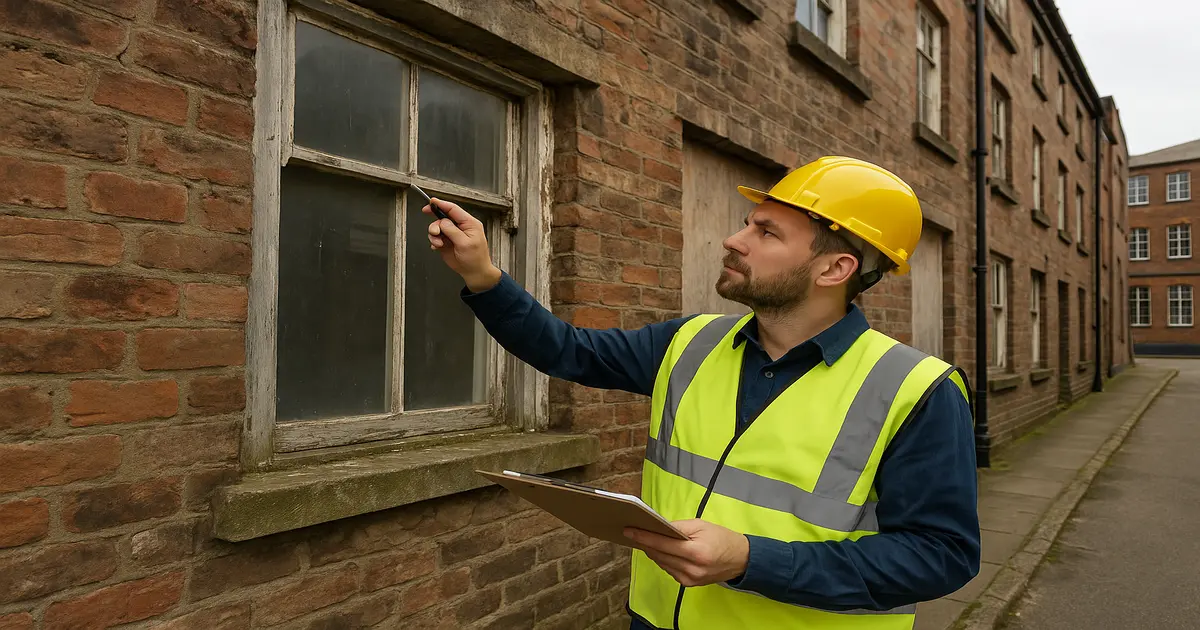
- Inspection by the landlord’s surveyor – The property is examined for disrepair, alterations, or non-compliance.
- Preparation of the schedule – A detailed list of alleged breaches is compiled, often including photographs and cost estimates.
- Service on the tenant – The document is formally sent, sometimes accompanied by a Quantified Demand (a statement of the costs being claimed).
- Tenant’s response – The tenant may appoint their surveyor to challenge or negotiate the claim.
UK commercial tenants who understand the Schedule of Dilapidations can respond strategically and often reduce liability through negotiation or remedial works.
Quantified Demand and Its Significance
Under the Pre-Action Protocol for Claims for Damages about the Physical State of Commercial Property, landlords should provide a Quantified Demand with the Schedule of Dilapidations. This document sets out:
- The total cost of remedial works claimed
- Supporting evidence for each item
- Any consequential losses being claimed
This step is intended to encourage early settlement and reduce litigation. For UK commercial tenants, reviewing the Quantified Demand is key to assessing whether the costs claimed are reasonable.
Common Issues Leading to a Schedule of Dilapidations
Understanding the Schedule of Dilapidations for UK commercial tenants involves recognising common triggers, such as:
- Failure to maintain or repair roofs, walls, or windows
- Not redecorating at agreed intervals or before lease end
- Removing or improperly reinstating alterations
- Non-compliance with fire safety, asbestos, or accessibility regulations
- Damage from unauthorised changes to the property
Identifying these risks early can help tenants plan maintenance schedules and avoid last-minute disputes.
Potential Costs and Financial Exposure
The costs in a Schedule of Dilapidations can be significant. They may include:
- Labour and materials for repairs
- Professional fees for surveyors and contractors
- Loss of rent while works are carried out
- Diminution in value claims (where the landlord argues the property’s value has been reduced due to disrepair)
Understanding the Schedule of Dilapidations for UK commercial tenants means appreciating that costs claimed can sometimes exceed the tenant’s expectations. Negotiation is often essential.
Defending Against Unreasonable Claims
Not all items in a Schedule of Dilapidations are justified. Tenants can dispute:
- Works that exceed lease obligations
- Repairs that amount to improvements rather than maintenance
- Claims for pre-existing defects
- Overstated costs
A tenant’s surveyor can help prepare a Scott Schedule, which is a point-by-point response to the landlord’s claims. This process is central to understanding the Schedule of Dilapidations for UK commercial tenants and reducing potential liability.
Importance of Early Action
One of the most effective strategies for UK commercial tenants is to take early action:
- Carry out interim inspections
- Keep maintenance records
- Address minor repairs promptly
- Engage with the landlord before the lease ends
Proactive management can reduce the likelihood of receiving an extensive and costly Schedule of Dilapidations.
Negotiating a Settlement
Most dilapidations claims are settled without court action. Tenants can negotiate to:
- Carry out the work yourself before the lease expires
- Agree on a cash settlement that reflects actual loss
- Use evidence to reduce or remove unjustified claims
Understanding the Schedule of Dilapidations for UK commercial tenants is essential for successful negotiation and avoiding inflated demands.
Dispute Resolution Options
If negotiations fail, disputes may proceed to:
- Mediation – A confidential, voluntary process to settle.
- Arbitration – A binding decision from an independent arbitrator.
- Court proceedings – The last resort, often more costly and time-consuming.
UK commercial tenants should seek professional advice early to avoid unnecessary litigation.
How to Minimise Future Dilapidations Risk
For tenants entering into new leases:
- Consider a Schedule of Condition to limit repair obligations.
- Negotiate break clauses that reduce exposure.
- Limit obligations to “keep in repair” rather than “put in repair.”
- Understand decoration and reinstatement clauses in detail.
These steps are part of a strategic approach to understanding the Schedule of Dilapidations for UK commercial tenants to prevent potential issues.
Why Professional Advice Matters
Specialist dilapidations surveyors and solicitors can:
- Assess whether claims are valid
- Provide accurate repair cost estimates
- Prepare strong evidence for negotiation
- Advise on lease clauses to prevent future disputes
For UK commercial tenants, professional advice can make the difference between paying a large settlement and achieving a fair outcome.
FAQs
What is the difference between a Schedule of Dilapidations and a Quantified Demand?
The Schedule of Dilapidations lists alleged breaches, while the Quantified Demand specifies the costs the landlord is claiming.
Can a landlord claim for improvements in a Schedule of Dilapidations?
No, the landlord can only claim for breaches of lease obligations. Claims for improvements can be challenged.
What happens if I ignore a Schedule of Dilapidations?
Ignoring it may lead to court proceedings and increased costs. It is best to respond promptly with professional advice.
How can I prepare for a Schedule of Dilapidations before my lease ends?
Carry out a pre-lease expiry inspection, review your lease, and address any repair obligations early.
Can I negotiate a lower settlement?
Yes, many claims are reduced through negotiation, evidence gathering, and challenging unjustified items.
Our top read blogs:
Free Legal Advice for Commercial Property Landlords in the UK
Why Landlords Are Increasingly Favouring Semi-Commercial Property Investments
The British Landlords Association is a national landlord association, one of the largest in the UK. The BLA is the only landlords’ association in the UK that represents and supports both commercial and residential landlords. Join us now for £89.95!
Useful External Links
Royal Institution of Chartered Surveyors (RICS) – www.rics.org
Ministry of Justice – Pre-Action Protocol for Dilapidations – www.justice.gov.uk