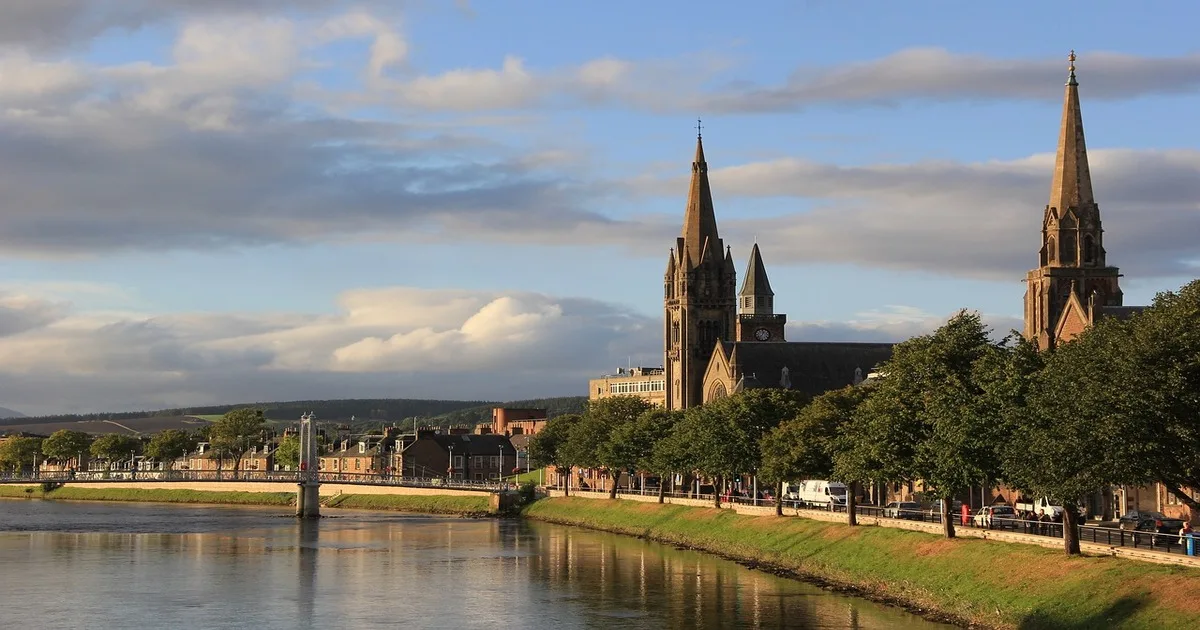
Will Property Prices Go Up in Scotland in 2026
A key question for homeowners and investors alike is whether property prices will go up in Scotland in 2026. After a period of market cooling caused by high interest rates and inflation, Scotland’s housing market is projected to rebound in 2026.
Experts predict moderate price growth supported by economic stability, regional regeneration, and sustained buyer demand across key Scottish cities.
Economic Context and Mortgage Trends
To understand whether property prices will go up in Scotland in 2026, it’s essential to look at the broader economic picture. The Bank of England is expected to lower interest rates gradually through 2025, making mortgages more affordable.
As inflation slows and wages continue to rise, confidence among buyers is likely to return. This easing of financial pressure should lead to increased transactions and a slow but steady price recovery in 2026.
Regions with affordable housing and good infrastructure, such as the Central Belt, are expected to see the strongest performance.
Regional Differences Across Scotland
Scotland’s property market is diverse. Edinburgh and Glasgow dominate sales volumes, and both are forecast to see price increases of around 3–5% in 2026.
Edinburgh’s appeal remains strong due to its high employment, world-class universities, and limited housing supply. Glasgow’s ongoing regeneration projects continue to attract young professionals, driving urban demand.
In contrast, rural and northern areas may experience slower growth due to lower buyer demand and limited local economic activity. However, lifestyle relocations to areas such as the Highlands and coastal regions remain strong, especially among retirees and remote workers.
Overall, whether property prices will go up in Scotland in 2026 depends on local economic conditions, but the general trend across the nation is upward.
Government Policy and Housing Supply
Government policy continues to play a significant role in Scotland’s housing outlook. The Scottish Government’s initiatives to increase affordable housing and improve energy efficiency will influence price dynamics.
While these measures aim to stabiliZe markets, the slow pace of new housing completions means supply shortages are likely to persist. The housing shortfall, combined with population growth in urban areas, means demand will remain strong.
This supply imbalance underpins the prediction that property prices will rise in Scotland in 2026, which is a strong likelihood.
External Investment and Market Sentiment
Scotland’s property market continues to attract attention from investors across the UK and overseas. Lower average house prices compared to England offer substantial value, especially in high-demand cities such as Edinburgh, Dundee, and Aberdeen.
Foreign investors view Scotland as a stable, safe market with excellent long-term potential. If economic growth continues and interest rates decline, external investment could further boost demand, supporting steady price rises into 2026 and beyond.
Predictions from Leading Analysts
Savills projects a 21.6% cumulative price growth in Scotland between 2025 and 2030, slightly outperforming the UK average. Knight Frank forecasts similar trends, expecting steady gains driven by improved mortgage affordability and limited supply.
The Registers of Scotland’s latest data also shows a resilient market. While growth slowed in 2024–2025, average prices have remained higher than pre-pandemic levels, demonstrating the strength of Scottish property fundamentals.
With this in mind, most analysts agree that property prices in Scotland will go up in 2026. The increase will likely be modest but sustainable.
Opportunities for Investors
Investors eyeing 2026 should consider the strong rental market in Scotland’s cities. Demand for quality rental accommodation remains high, particularly among students and young professionals.
Edinburgh continues to record some of the highest average rents in the UK outside London. Glasgow, Aberdeen, and Dundee are also attractive markets, offering competitive yields and growing tenant demand.
Buy-to-let investors who purchase in early 2026 could benefit from both capital growth and rising rental income, especially as borrowing becomes cheaper.
Risks and Challenges
Despite optimism, a few risks could influence the market. If interest rate cuts are delayed or economic recovery slows, price growth may be more subdued. Policy changes relating to property taxation or rent control could also affect investor sentiment.
However, these risks are balanced by ongoing demand, limited housing supply, and Scotland’s strong economic fundamentals. Therefore, while caution is wise, the underlying direction remains positive.
FAQs
Will property prices go up in Scotland in 2026?
Yes. Most experts predict price growth of 2–5% depending on the region, supported by falling interest rates and strong demand.
Which areas will see the fastest growth?
Edinburgh, Glasgow, and parts of the Central Belt are forecast to lead growth due to urban regeneration and employment strength.
Is it a good time to buy in Scotland?
Yes. With affordability improving and interest rates expected to fall, 2026 could be an excellent year for buyers and investors.
Will rural areas also benefit?
To a lesser degree. While growth will be slower, rural and coastal regions will still attract lifestyle buyers seeking space and value.
Conclusion
All signs point toward gradual but steady price growth across Scotland in 2026. Economic recovery, easing mortgage costs, and persistent housing shortages will keep the market moving upward.
For those wondering whether property prices will go up in Scotland in 2026, the answer is a confident yes, driven by a sustainable recovery supported by solid fundamentals and renewed buyer confidence.
Our top-read blogs:
Is Commercial Property a Good Investment in England & Wales?
Commercial Property Rent Review Protocol
Investing in Commercial Property vs Residential Property: The Advantages and Disadvantages
The British Landlords Association is a national landlord association, one of the largest in the UK. The BLA is the only landlords’ association in the UK that represents and supports both commercial and residential landlords. Join us now for £89.95!