The BLA Approach to Sustainable Commercial Property Management
As the property sector transitions toward a low-carbon future, landlords across the UK must adapt their management strategies to meet environmental standards and legal requirements.
In this BLA Approach to Sustainable Commercial Property Management, we explore how landlords can integrate sustainability into everyday operations through energy efficiency, EPC compliance, and green lease clauses.
Energy Efficiency and Modern Property Standards
The BLA Approach to Sustainable Commercial Property Management begins with a strong focus on energy efficiency. Commercial landlords face rising expectations from tenants, investors, and regulators to reduce carbon footprints.
Upgrading heating systems, improving insulation, and adopting LED lighting can significantly cut running costs and enhance tenant satisfaction.
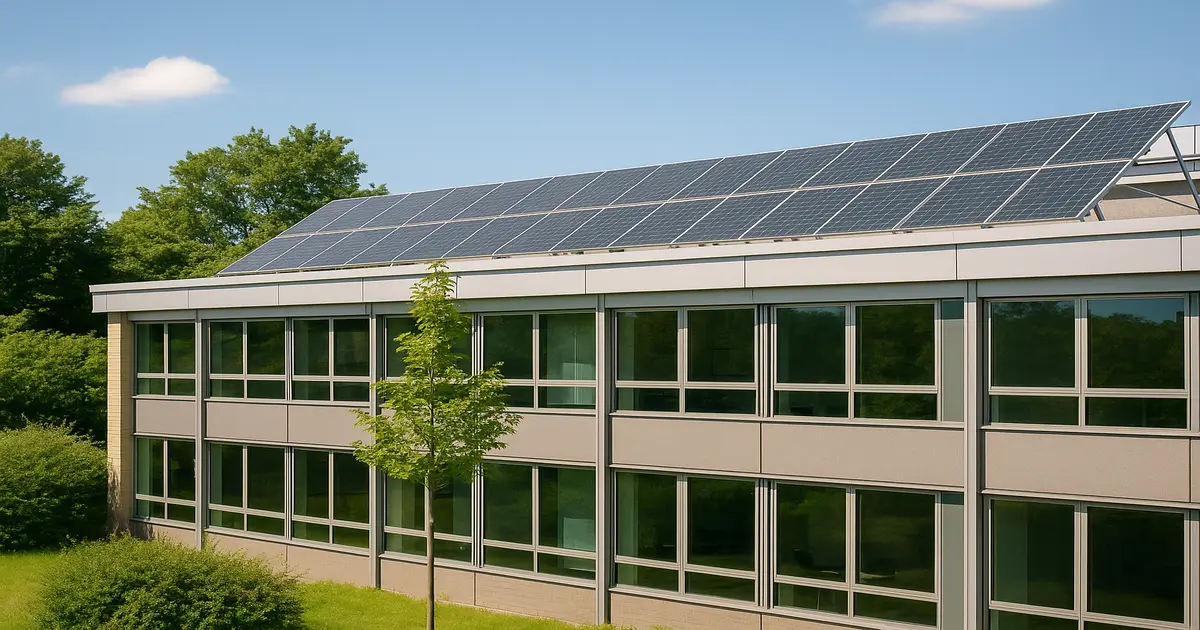
The British Landlords Association (BLA) encourages landlords to conduct regular energy audits and invest in renewable technologies such as solar panels, air-source heat pumps, and smart metering.
These improvements not only reduce emissions but also increase the property’s long-term value and appeal to environmentally conscious tenants.
Understanding EPC Standards
Energy Performance Certificates (EPCs) are now central to property regulation in the UK. Under the BLA Approach to Sustainable Commercial Property Management, landlords are urged to maintain EPC ratings that meet or exceed the minimum required by law.
Currently, commercial premises must achieve an EPC rating of “E” or higher, with the government planning to raise this to “C” by 2027 and “B” by 2030. Failing to comply can result in financial penalties and restricted leasing opportunities.
The BLA provides members with guidance on improving EPC scores through practical upgrades such as enhancing glazing, improving air tightness, and upgrading mechanical systems. Landlords who act early will be better positioned to attract tenants and avoid expensive retrofits later.
Green Lease Clauses
A key component of The BLA Approach to Sustainable Commercial Property Management is the inclusion of green lease clauses. These clauses align the interests of landlords and tenants in promoting sustainability.
They typically cover shared goals such as energy use monitoring, waste reduction, and environmentally responsible fit-outs.
The BLA recommends adding green clauses that encourage cooperation on recycling, maintenance of energy-efficient systems, and use of sustainable materials in refurbishments. Such clauses create transparency, reduce operational costs, and strengthen the property’s environmental reputation.
Sustainability as a Commercial Advantage
Sustainability is no longer just a compliance issue—it’s a market differentiator. In The BLA Approach to Sustainable Commercial Property Management, landlords discover how green credentials can attract premium tenants and investors.
Corporate occupiers increasingly prefer energy-efficient buildings that support ESG (Environmental, Social, and Governance) objectives. Properties with superior EPC ratings and documented sustainability measures achieve stronger rental yields and lower vacancy rates.
The BLA advises landlords to publicize these achievements in marketing materials and lease negotiations, transforming sustainability into a competitive advantage.
Practical Steps for Landlords
The BLA Approach to Sustainable Commercial Property Management emphasizes practical action. Landlords should start by establishing a sustainability plan tailored to each building.
This plan should assess current performance, identify opportunities for improvement, and outline measurable targets.
Typical measures include:
- Retrofitting old heating or cooling systems
- Using renewable energy suppliers
- Installing smart thermostats and sensors
- Introducing green cleaning policies
- Promoting low-carbon travel options for tenants
The BLA supports landlords with templates and checklists to monitor sustainability progress and meet regulatory standards efficiently.
Legal and Compliance Considerations
Environmental legislation continues to evolve rapidly. The BLA Approach to Sustainable Commercial Property Management highlights the need for ongoing compliance with the Energy Efficiency (Private Rented Property) Regulations and other regional frameworks.
In Scotland, for instance, landlords must comply with the Energy Performance of Buildings (Scotland) Regulations, while Wales maintains its own energy efficiency standards for commercial lettings.
The BLA ensures that members remain informed about policy developments, consultation outcomes, and grant opportunities. Staying compliant protects landlords from enforcement actions while demonstrating corporate responsibility.
Collaboration Between Landlords and Tenants
A genuinely sustainable property strategy relies on collaboration. According to The BLA Approach to Sustainable Commercial Property Management, landlords and tenants should share energy-use data and coordinate maintenance activities.
Many BLA members now use joint energy management systems, enabling both parties to monitor performance in real time.
This cooperative approach not only improves efficiency but also builds trust. By working together, landlords and tenants can reduce utility bills, improve comfort, and support national net-zero objectives.
Retrofitting Older Buildings
Older commercial buildings often pose the most significant challenge. The BLA Approach to Sustainable Commercial Property Management stresses that retrofitting is both achievable and financially rewarding.
Standard upgrades include cavity wall insulation, secondary glazing, and efficient HVAC systems.
Government-backed schemes and tax incentives can offset costs for landlords investing in energy improvements. The BLA advises members to explore available funding options, ensuring sustainability measures are cost-effective and compliant with future standards.
Technology and Data-Driven Management
Modern technology is transforming sustainability in property management. The BLA Approach to Sustainable Commercial Property Management promotes the adoption of intelligent building systems, which track energy consumption, water use, and air quality.
These systems help landlords identify inefficiencies and implement targeted solutions. Data-driven insights also simplify reporting for ESG requirements, enabling landlords to demonstrate tangible environmental performance improvements to tenants and regulators alike.
Conclusion
In conclusion, the BLA Approach to Sustainable Commercial Property Management provides landlords with a clear roadmap to achieving energy efficiency, legal compliance, and long-term value creation.
By improving EPC ratings, implementing green lease clauses, and embracing renewable technologies, landlords not only meet their legal duties but also future-proof their investments.
The BLA continues to guide its members through this transition, ensuring sustainable management remains both practical and profitable.
Our top-read blogs:
Is Commercial Property a Good Investment in England & Wales?
Commercial Property Rent Review Protocol
Investing in Commercial Property vs Residential Property: The Advantages and Disadvantages
The British Landlords Association is a national landlord association, one of the largest in the UK. The BLA is the only landlords’ association in the UK that represents and supports both commercial and residential landlords. Join us now for £89.95!