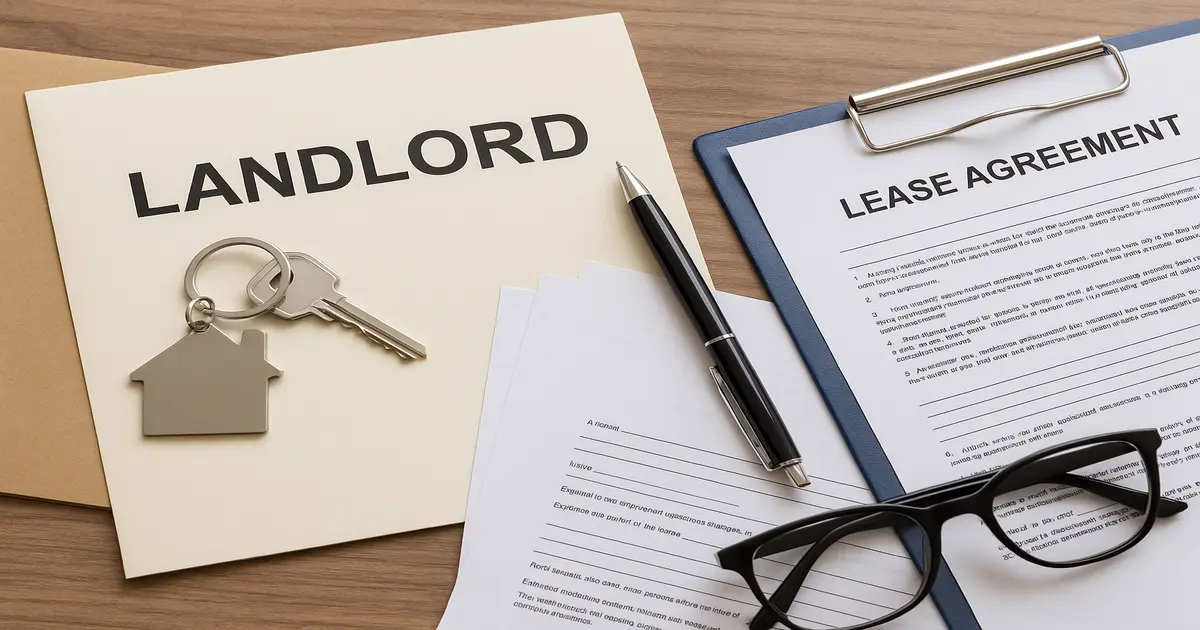
Essential Legal Documents Every DIY Landlord Must Have in Place
Managing a rental property without an agent can be rewarding, but it also brings significant legal responsibilities. As a DIY landlord, you are directly accountable for compliance with housing laws, tenant rights, and property management duties. Having the proper legal documents in place is not just best practice – it is essential for protecting your investment and avoiding costly disputes.
This article outlines the essential legal documents every DIY landlord must prepare, maintain, and use when managing property. These documents provide clarity, ensure compliance, and protect the interests of both the landlord and the tenant.
Tenancy Agreement
The tenancy agreement is the cornerstone of the landlord–tenant relationship. This contract outlines the terms and conditions governing the tenant’s occupancy of the property.
Without an explicit, legally compliant agreement, landlords risk disputes over rent, repairs, and tenancy rights.
A solid tenancy agreement should include:
- Rent amount, due dates, and method of payment.
- Deposit amount and how it will be protected.
- Landlord and tenant responsibilities for repairs and maintenance.
- Notice periods for termination.
- Rules on subletting, pets, and use of communal spaces.
DIY landlords should ensure agreements comply with local housing law. In the UK, for example, most private rentals are governed by an Assured Shorthold Tenancy (AST). Using a generic or outdated agreement can lead to unenforceable terms and legal issues.
Inventory and Condition Report
At the start of a tenancy, an inventory and condition report is vital. This document lists the property’s contents and records the state of fixtures, fittings, and décor. Both landlord and tenant should sign and date the inventory to confirm agreement.
Key elements include:
- Photographs of rooms, appliances, and furnishings.
- Notes on wear, damage, or missing items.
- Meter readings at the start of the tenancy.
A well-prepared inventory protects landlords against unfair deposit disputes. If a tenant leaves the property in poor condition, the inventory provides clear evidence to support deductions from the deposit.
Deposit Protection Documents
In many jurisdictions, landlords are required to protect tenant deposits in a government-approved scheme. In England and Wales, deposits must be lodged within 30 days of receipt, and prescribed information must be given to the tenant.
Documents should include:
- Confirmation of deposit registration.
- Prescribed information notice detailing the protection scheme.
- Information about how to dispute deductions at the end of tenancy.
Failure to provide these documents can result in penalties, including repayment of up to three times the deposit and restrictions on serving eviction notices.
Rent Payment Receipts and Statements
Accurate rent records are critical for both tax purposes and dispute resolution. DIY landlords should issue receipts for cash payments and maintain detailed statements for all tenants.
These records should show:
- Amount paid.
- Date of payment.
- Period covered by the rent.
- Outstanding balances (if applicable).
Well-documented payment records protect against claims of unlawful eviction or harassment and can be helpful in any future legal proceedings.
Section Notices for Possession and Rent Increases
Landlords must serve the correct legal notices when seeking possession or adjusting rent. Using the wrong notice or serving it incorrectly can invalidate the process.
For example, in England:
- Section 8 Notice is used when a tenant breaches the tenancy (such as rent arrears).
- Section 21 Notice is used for “no fault” evictions under Assured Shorthold Tenancies.
- Section 13 Notice is used to increase rent legally.
DIY landlords must keep copies of these notices and proof of service (such as recorded delivery receipts) to ensure compliance.
Safety Certificates
Safety documentation is not optional – it is a legal requirement. Landlords must provide tenants with certificates that confirm compliance with safety standards.
Essential certificates include:
- Gas Safety Certificate (renewed annually by a Gas Safe registered engineer).
- Electrical Installation Condition Report (EICR) (every five years, or sooner if required).
- Energy Performance Certificate (EPC) (valid for 10 years, with a minimum rating requirement in many jurisdictions).
Providing these documents to tenants before they move in is crucial. Failure to do so can result in fines, invalid eviction notices, and insurance issues.
Repairs and Maintenance Records
Landlords are legally obligated to maintain properties in a safe and habitable condition. Keeping records of repair requests, inspections, and completed work protects landlords in case of disputes.
Records should include:
- Tenant repair requests and landlord responses.
- Invoices from contractors.
- Inspection reports noting property condition.
If a tenant claims disrepair, these records demonstrate that the landlord acted promptly and reasonably in response to the issue.
Insurance Documentation
Buy-to-let insurance policies protect against risks such as fire, flood, and tenant default. DIY landlords should maintain copies of:
- Policy documents.
- Proof of payment.
- Renewal confirmations.
Providing evidence of insurance can also be a requirement for mortgage lenders or business partners.
Guarantor Agreement
In cases where tenants have limited credit history or income, a guarantor agreement is essential. This legal document binds a guarantor (typically a parent or relative) to cover rent arrears or damages if the tenant fails to fulfil their obligations.
The agreement should clearly outline:
- The extent of the guarantor’s liability.
- The duration of the guarantee.
- Situations where liability applies.
Without a guarantor agreement, landlords risk higher financial exposure in the event of tenant default.
Eviction and Court Documents
If eviction becomes necessary, landlords must rely on properly prepared court documents to ensure a successful outcome. These include copies of tenancy agreements, notices served, rent statements, and communication with the tenant.
Courts require comprehensive evidence. Missing or inconsistent documents can delay proceedings and increase costs. DIY landlords should keep a complete paper trail from the start of the tenancy to the end.
Communication Records
Every interaction with a tenant – whether by email, text, or letter – should be documented. Written records prevent misunderstandings and provide evidence in case of disputes.
Best practice includes:
- Confirming all verbal agreements in writing.
- Keeping copies of emails and letters.
- Using professional, clear language in all communications.
Good record-keeping fosters transparency and protects landlords from allegations of misconduct.
The Importance of Staying Updated
Housing laws change frequently, and landlords must adapt their documentation to remain compliant. DIY landlords should regularly review and update their legal documents to ensure they reflect current legislation and best practices.
Joining a professional landlord association can provide access to updated templates, legal advice, and training, ensuring landlords are never caught off guard by legislative changes.
Conclusion
Being a DIY landlord offers flexibility and savings, but it also demands diligence. The proper legal documents form the foundation of a secure and professional rental business.
From tenancy agreements and deposit protection to safety certificates and eviction notices, each document plays a vital role in compliance and security.
By preparing, maintaining, and updating these documents, landlords safeguard their investments, build trust with tenants, and avoid costly disputes.
In the ever-changing rental market, documentation is not just paperwork – it is the backbone of responsible self-management.
Our top-read blogs:
Is Commercial Property a Good Investment in England & Wales?
Commercial Property Rent Review Protocol
Investing in Commercial Property vs Residential Property: The Advantages and Disadvantages
The British Landlords Association is a national landlord association, one of the largest in the UK. The BLA is the only landlords’ association in the UK that represents and supports both commercial and residential landlords. Join us now for £89.95!