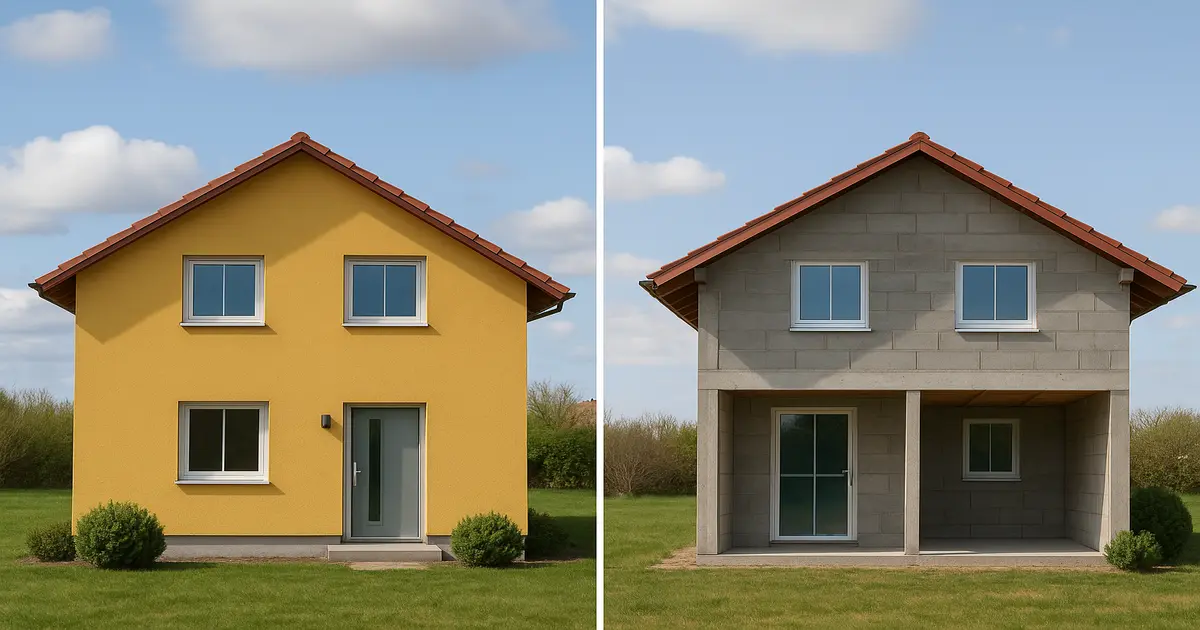
FRI vs IRI What’s the Difference?
When it comes to UK commercial property leases, one of the most important considerations for landlords and tenants is the allocation of responsibility for repairs and insurance.
The two most common lease structures are the Full Repairing and Insuring (FRI) lease and the Internal Repairing and Insuring (IRI) lease.
Although they sound similar, they create very different obligations and risks.
This article explains what FRI and IRI leases are, their differences, advantages and disadvantages, and what both landlords and tenants should look out for when negotiating terms.
What is an FRI Lease?
A Full Repairing and Insuring (FRI) lease makes the tenant responsible for:
- Repairs: Covering the whole property, including internal, external, structural, and roof repairs.
- Insurance: The landlord usually arranges the building insurance, but the tenant reimburses the cost through “insurance rent.”
- Condition obligations: Unless a schedule of condition is attached, tenants may be required to return the property in a better state than when they entered into the lease.
This type of lease effectively transfers most landlord responsibilities to the tenant.
What is an IRI Lease?
An Internal Repairing and Insuring (IRI) lease places more limited obligations on the tenant.
- Tenant repairs: Restricted to internal parts only, such as flooring, plaster, decorations, and fittings.
- Landlord responsibilities: The landlord retains responsibility for the structure, exterior, and roof.
- Service charges: The landlord recovers the costs of external and structural repairs through a service charge paid by tenants.
- Insurance: The landlord arranges cover and recharges the cost, often within the service charge.
An IRI lease reduces risk for tenants and ensures landlords retain control over the upkeep of the building.
The Repairing Clause
The repairing clause in the lease sets out these obligations. It should define:
- The scope of the tenant’s liability (internal-only or full repairing).
- Whether a schedule of conditions applies to limit tenant obligations.
- The operation of service charge provisions where landlords retain structural responsibility.
Precise wording is crucial, as ambiguous drafting often leads to disputes.
Key Differences Between FRI and IRI
- Scope of Repairs: FRI covers everything; IRI covers internal areas only.
- Costs: FRI can be unpredictable and heavy on tenants; IRI is more predictable through service charges.
- Risk Allocation: FRI pushes risks onto tenants; IRI keeps structural risks with the landlord.
- Usage: FRI is typical for single-let properties and long leases, while IRI is common in multi-let or shorter leases.
Pros and Cons of FRI
Advantages for landlords
- Transfers responsibility for repairs and insurance.
- Ensures asset is maintained at the tenant’s cost.
Disadvantages for tenants
- High liability, including structural risks.
- Potential exposure to unforeseen, large-scale repair costs.
Pros and Cons of IRI
Advantages for tenants
- Limited repair liability.
- More predictable repair costs.
Advantages for landlords
- Retain control over structural standards.
- Consistency across multi-let buildings.
Disadvantages for landlords
- They must manage repairs and rely on service charges for recovery.
FAQs
What does FRI mean in a lease?
FRI stands for Full Repairing and Insuring, where the tenant covers internal and external repairs and pays for insurance.
What does IRI mean in a lease?
IRI stands for Internal Repairing and Insuring, where the tenant only repairs the internal parts and the landlord handles the structure and exterior.
Do both FRI and IRI leases involve insurance rent?
Yes. In both cases, the landlord arranges the building insurance and the tenant pays, usually via insurance rent or service charge.
What is a schedule of condition, and why is it important?
It is a record of the property’s condition at the start of the lease. Tenants use it to ensure they are not obliged to return the premises in a better state than when they first occupied them.
Which type of lease is riskier for tenants?
FRI leases are riskier because they transfer responsibility for costly structural works to the tenant.
Why do landlords prefer FRI leases?
They minimise the landlord’s obligations and transfer repair costs to the tenant, protecting the landlord’s investment.
Why do tenants prefer IRI leases?
Because liability is limited to internal areas, making repair obligations more straightforward and less financially risky.
Which type is more common in multi-let buildings?
IRI leases are standard in offices, shopping centres, and other multi-let premises, as the landlord must control external standards across the site.
Conclusion
The key difference between an FRI lease and an IRI lease lies in the extent of repair and insurance responsibilities. An FRI lease puts almost all responsibility on the tenant, including structural repairs and insurance costs.
In contrast, an IRI lease restricts the tenant’s duty to internal areas, with the landlord retaining structural obligations and recovering costs through service charges.
For tenants, agreeing to an FRI lease without a schedule of condition can result in huge liabilities for repairs.
For landlords, granting an IRI lease without a strong service charge mechanism can leave them exposed to unrecovered expenses.
Precise drafting of the repairing clause and careful negotiation ensure both parties understand their obligations and avoid costly disputes.
Our top read blogs:
Free Legal Advice for Commercial Property Landlords in the UK
Why Landlords Are Increasingly Favouring Semi-Commercial Property Investments
The British Landlords Association is a national landlord association, one of the largest in the UK. The BLA is the only landlords’ association in the UK that represents and supports both commercial and residential landlords. Join us now for £89.95!