Fitness for Human Habitation: Safety Compliance Every Welsh Landlord Must Know (Smoke, CO, EICR)
Fitness for human habitation is no longer optional for landlords in Wales. Since the implementation of the Renting Homes (Wales) Act 2016, which took full effect in December 2022, landlords have a legal obligation to ensure their properties meet strict health and safety requirements.
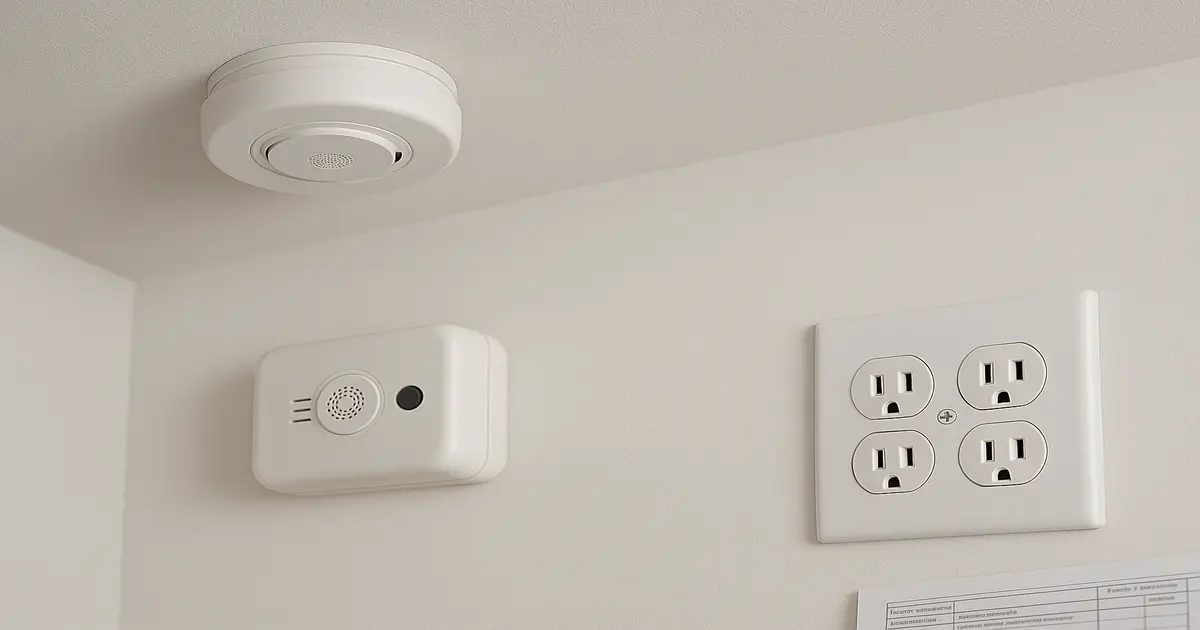
These standards extend beyond basic maintenance and cover critical safety measures such as working smoke alarms, carbon monoxide (CO) detectors, and valid Electrical Installation Condition Reports (EICRs).
For Welsh landlords, compliance is not only a legal obligation but also a fundamental aspect of providing safe and secure homes for their tenants. Failure to comply can result in penalties, compensation claims, and enforcement action by local authorities.
This article provides a detailed examination of what fitness for human habitation entails, its application in Wales, and the essential safety compliance steps that every landlord must follow.
What Does Fitness for Human Habitation Mean?
A property is considered fit for human habitation when it is safe, healthy, and suitable for tenants to live in. It must not pose any risks to their health or wellbeing.
The standard covers structural integrity, ventilation, dampness and mould, and, critically, safety installations such as smoke and CO alarms, as well as electrical safety.
The Welsh Government has reinforced these obligations by aligning them with modern health and safety expectations. This ensures tenants live in secure homes while holding landlords accountable for proper upkeep.
The Legal Framework in Wales
Under the Renting Homes (Wales) Act 2016, every rental property must meet the fitness for human habitation test. The law consolidates multiple tenancy and licence agreements into a single, standardised contract called the “occupation contract.”
Within this framework, landlords must ensure:
- The property is safe and structurally sound.
- There is adequate heating, lighting, and ventilation.
- The property is free from damp and mould.
- Safety installations, such as smoke and carbon monoxide detectors, are in place and functioning correctly.
- Electrical systems are tested and certified.
These obligations cannot be waived, even if tenants agree otherwise. The law is designed to comprehensively protect tenants.
Smoke Alarm Compliance
One of the most critical safety requirements under Welsh law is the installation of smoke alarms. Landlords must provide:
- At least one working smoke alarm on every storey of the property.
- Smoke alarms that are mains-powered and interconnected, or sealed battery units designed for long-term use.
- Regular checks to ensure alarms are operational at the start of each tenancy or occupation contract.
If a landlord fails to comply, the property is automatically deemed unfit for human habitation. This means tenants could seek redress through Rent Repayment Orders or claim damages.
Carbon Monoxide Alarm Compliance
Carbon monoxide is a silent, deadly gas that poses a significant risk in rental homes. Welsh legislation requires:
- A carbon monoxide alarm in every room containing a gas, oil, or solid fuel appliance.
- Alarms must meet British Standards for CO detection.
- Landlords are responsible for ensuring alarms are tested and functioning before the start of a new tenancy.
This rule applies even if appliances are rarely used. A single oversight can result in severe consequences, both legally and morally, should harm occur to tenants.
Electrical Installation Condition Reports (EICR)
Electrical safety is another crucial component of the fitness standard. Welsh landlords are required to arrange for a qualified electrician to conduct an Electrical Installation Condition Report (EICR) at least every five years.
The EICR ensures:
- Electrical wiring, sockets, consumer units, and circuits are safe.
- Any hazards are identified and rectified promptly.
- A written report is provided to both landlord and tenant.
Landlords are required to provide tenants with a copy of the EICR within 28 days of inspection. If issues are flagged, remedial work must be completed within the timeframe set by the electrician.
Other Safety Considerations in Fitness Compliance
Although smoke, CO, and EICR requirements are central, Welsh landlords must also consider broader safety compliance measures:
- Gas Safety Certificates: Annual gas safety checks by a registered engineer are mandatory.
- Fire Safety for HMOs: Houses in Multiple Occupation require additional fire doors, fire extinguishers, and more comprehensive alarm systems.
- Damp and Mould Prevention: Landlords must tackle condensation and leaks that lead to mould, which can affect tenant health.
- Structural Integrity: Loose bannisters, leaking roofs, or dangerous stairs automatically fail the fitness test.
Together, these requirements create a holistic framework for tenant safety.
Consequences of Non-Compliance
Failure to comply with fitness for human habitation rules can have serious consequences for Welsh landlords. Potential outcomes include:
- Rent Repayment Orders: Tenants may claim back rent if landlords fail to provide a habitable property.
- Court Action: Tenants can pursue legal compensation claims.
- Enforcement by Councils: Local authorities can impose fines and penalties, including banning orders for repeat offenders.
- Void Contracts: A property deemed unfit cannot be legally rented until remedial work is completed.
The reputational damage resulting from non-compliance can also deter future tenants, negatively impacting long-term profitability.
Steps for Welsh Landlords to Stay Compliant
Welsh landlords must take a proactive approach to compliance. Essential steps include:
- Schedule Regular Safety Checks: Arrange annual gas checks, 5-year EICRs, and frequent smoke and CO alarm tests.
- Document Evidence: Keep certificates, inspection reports, and receipts as proof of compliance.
- Update Tenancy Agreements: Ensure contracts reflect obligations under the Renting Homes (Wales) Act.
- Respond Quickly to Tenant Reports: Address hazards such as damp, faulty electricity, or broken alarms promptly.
- Use Qualified Professionals: Hire registered electricians and gas engineers to conduct inspections.
By embedding these practices, landlords can avoid legal pitfalls and build trust with tenants.
The Link Between Compliance and Tenant Wellbeing
Beyond the legal requirement, fitness for human habitation has a direct impact on tenant wellbeing. Properties with proper alarms, safe wiring, and effective heating foster healthier, happier tenants who are more likely to pay rent reliably and stay longer.
For landlords, compliance is therefore an investment. Safe homes lead to fewer disputes, lower void periods, and stronger reputations.
FAQs
What happens if my property fails the fitness test in Wales?
If your property is deemed unfit, it cannot be legally rented until all hazards are resolved. Tenants may also seek compensation.
Do I need a carbon monoxide alarm if I only have electric heating?
No, CO alarms are only required if the property has appliances that burn gas, oil, or solid fuel.
How often should I test smoke alarms?
Landlords must check alarms at the start of each tenancy, but monthly checks are strongly recommended.
Is an EICR required for new builds?
Yes, all rental properties in Wales are required to undergo an EICR every five years, including new builds once they reach five years old.
Who can carry out an EICR?
Only a qualified and competent electrician registered with a recognised scheme should conduct the inspection.
Conclusion
Fitness for human habitation in Wales is a legal necessity and a moral responsibility. Welsh landlords must prioritise safety compliance, particularly regarding smoke alarms, carbon monoxide detectors, and Electrical Installation Condition Reports.
Failing to fulfil these obligations exposes landlords to penalties, legal claims, and reputational damage. By maintaining compliance, landlords not only meet their legal duties but also provide secure, high-quality homes that tenants can trust.
Safety compliance is not just a legal requirement; it is the cornerstone of responsible property management in Wales.
Our top-read blogs:
Is Commercial Property a Good Investment in England & Wales?
Commercial Property Rent Review Protocol
Investing in Commercial Property vs Residential Property: The Advantages and Disadvantages
The British Landlords Association is a national landlord association, one of the largest in the UK. The BLA is the only landlords’ association in the UK that represents and supports both commercial and residential landlords. Join us now for £89.95!