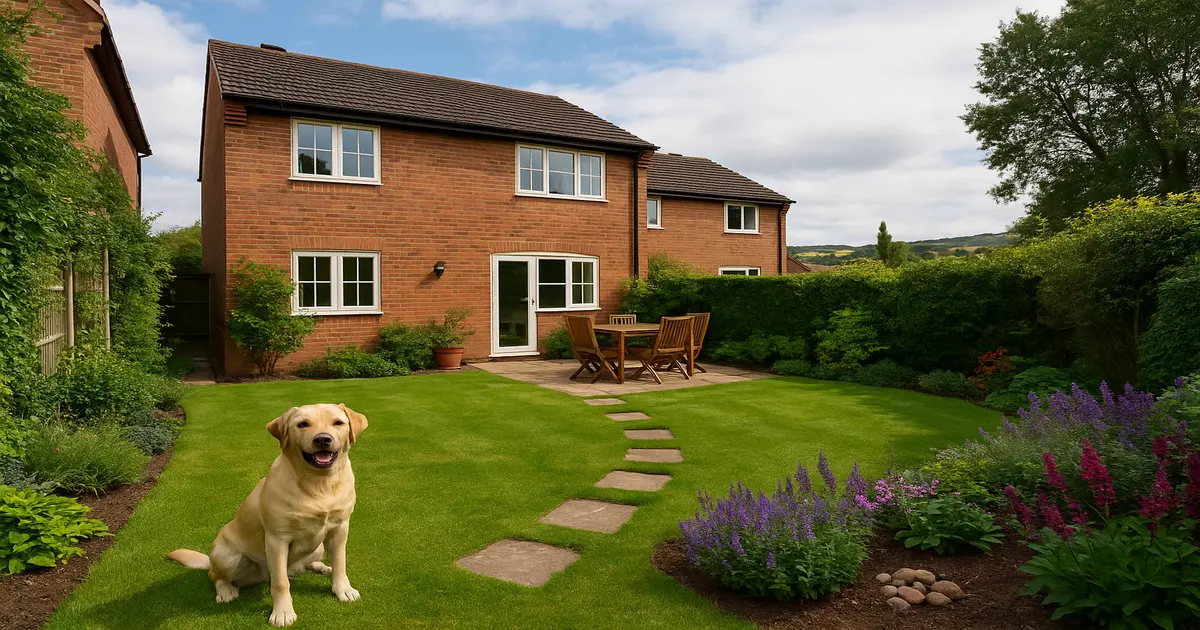
Boosting Rental Appeal in Wales: What Do Tenants Actually Want? Pets, Gardens & More
In today’s competitive rental market in Wales, landlords and agents increasingly recognize that meeting tenants’ evolving preferences can transform lettings from a struggle into a smooth, profitable experience.
Among this changing landscape, two features consistently stand out: pet-friendliness and access to gardens or outdoor spaces. But there’s more to the story.
From legal changes to tenant well-being, here’s why these factors matter and how landlords can leverage them to strengthen appeal and tenancy performance.
The Pet Factor: A Crucial Tenant Preference
Rising Demand Meets Limited Supply
Pet ownership is widespread across the UK. More than half of adults own a pet, and a substantial share of renters either currently have pets or plan to acquire one in the future.
Despite this, only a small proportion of rental properties are openly advertised as pet-friendly. This mismatch between supply and demand creates both a challenge and an opportunity for Welsh landlords.
Legal and Policy Developments in Wales
At present, tenants in Wales do not have the automatic right to keep a pet. Landlords may set “no pets” policies. However, tenants are entitled to make a written request to keep a pet, and landlords must respond within 28 days.
They cannot refuse without reasonable grounds.
The Welsh Government has considered allowing pet insurance as a permitted payment under the Renting and Retailing Act.
This would give landlords a mechanism to cover potential pet-related damages while supporting tenants who wish to keep animals.
Additionally, wider UK legislation, such as the Renters’ Rights Bill expected in 2025, may make it more difficult for landlords to reject pets without justification.
Economics of Pet-Friendly Lets
Pet-friendly properties tend to rent out faster, attract more enquiries, and reduce void periods significantly. Evidence shows that properties allowing pets can secure tenants in fewer days, with higher viewing rates than comparable “no pets” properties.
Beyond speed of letting, pet-friendly tenants usually stay longer. While the average tenancy may last just over a year and a half, tenants with pets often remain for nearly four years.
This stability reduces turnover costs, including marketing, cleaning, and refurnishing.
Rent premiums are also possible. Research shows tenants are prepared to pay slightly more for pet-friendly accommodation. Even a modest 3–7% premium can compound into significant long-term profitability.
Concerns about property damage, often cited by landlords, are not borne out by the data.
Fewer than 5% of pet-friendly rentals see damage claims. Where damages occur, the costs tend to be lower than those associated with tenants who have pets.
Pet Rent: A Double-Edged Sword
Some landlords add a “pet rent” charge, which might range from £25 to £100 per month. While this generates income, it has become controversial, with many tenant groups calling it unfair, especially as deposit caps already limit recovery for damages. Landlords considering this should weigh the financial gain against the potential reputational risk.
Gardens & Outdoor Space: A Growing Tenant Must-Have
The importance of outdoor space has increased significantly over the past five years.
Lockdowns, remote work, and lifestyle shifts have made tenants more aware of the value of private gardens, balconies, and communal outdoor areas.
In Wales, where natural landscapes are an integral part of the lifestyle, outdoor spaces carry even greater appeal.
A house with a private garden or a flat with access to shared green areas can stand out significantly in the rental market. Families and pet owners, in particular, consider gardens essential, not optional.
Properties with gardens can often command higher rents and see lower vacancy rates.
Gardens also enhance long-term tenant satisfaction, resulting in longer leases and stronger tenant-landlord relationships.
Other Tenant Desires: Comfort, Fairness & Health
Health, Safety & Quality of Life
Rental law in Wales continues to evolve to address health and safety issues.
Tenants increasingly expect homes to be free of mould, properly insulated, and compliant with electrical and fire safety regulations. Legislation such as the Renting Homes (Wales) Act 2016 and future reforms will further standardize protections.
Well-being & Sense of Home
Tenants increasingly want to feel at home in their rentals. Pets play a significant role in providing emotional support and enhancing mental well-being. Outdoor space offers physical and psychological health benefits.
Landlords who help these tenants foster a sense of stability and belonging are more likely to keep them from moving.
Why This Strategy Works
- Hidden Demand, Little Supply
- Pet-friendly properties remain scarce, making them highly sought after by tenants who are actively searching for them.
- Longer Tenancies Reduce Turnover Costs
- Extended stays result in reduced costs for cleaning, marketing, and voids.
- Faster Letting = Less Vacancy Loss
- Shorter voids increase rental income consistency.
- Emotional Connection = Tenant Loyalty
- Tenants who are allowed to keep pets or enjoy gardens form stronger attachments to the property.
- Legal & Social Support
- With law and public opinion moving toward pet inclusivity, landlords who adapt early will benefit.
FAQs
Can landlords in Wales currently refuse pets?
Yes, landlords can refuse pets. However, if a tenant makes a written request to keep one, the landlord must respond within 28 days and cannot unreasonably refuse to do so.
What about deposits or insurance for pets?
Landlords cannot demand excessive deposits, but they may be able to require pet insurance if the law changes. A small, capped pet deposit may also be introduced in the future.
Is allowing pets too risky for landlords?
Data shows risks are low. Very few pet-friendly properties experience damage claims, and average costs are modest compared to non-pet-related damages.
Should landlords charge ‘pet rent’?
While legal, pet rent is a controversial practice that may be viewed as unfair. It may deter some tenants.
Do gardens really increase rental appeal?
Yes. Outdoor space significantly boosts demand, particularly among families and pet owners. Properties with gardens often rent faster and command higher rents.
Conclusion
Boosting rental appeal in Wales involves more than competitive pricing. Today’s tenants are seeking a lifestyle as much as a property.
Allowing pets and offering gardens or outdoor spaces are two of the most effective ways to attract reliable, long-term tenants.
These features increase demand, reduce void periods, and encourage tenant loyalty, aligning with the direction of future rental law.
For landlords seeking to secure profitability and stand out in a crowded market, adopting pet-friendly policies and enhancing outdoor appeal is both an innovative and sustainable strategy.
Our top-read blogs:
Is Commercial Property a Good Investment in England & Wales?
Commercial Property Rent Review Protocol
Investing in Commercial Property vs Residential Property: The Advantages and Disadvantages
The British Landlords Association is a national landlord association, one of the largest in the UK. The BLA is the only landlords’ association in the UK that represents and supports both commercial and residential landlords. Join us now for £89.95!
Useful External Links
https://www.chris-davies.co.uk/articles/pets-in-rental-properties-wales
https://preseliproperty.co.uk/lettings/why-welsh-landlords-should-consider-going-pet-friendly