Repairing Standard New Requirements Live from 1 March 2024
The Repairing Standard in Scotland has undergone significant reform, with new requirements taking effect from 1 March 2024 under amendments to the Housing (Scotland) Act 2006.
These changes mark a significant shift in how landlords must maintain rental properties, aiming to align private sector standards more closely with those in the social housing sector.
The expanded Repairing Standard sets out clear obligations that landlords must meet to ensure homes are safe, secure, and fit for modern living. This article explores the key updates, the legal implications, and what both landlords and tenants need to know about compliance.
What Is the Repairing Standard?
The Repairing Standard is the legal framework that defines the minimum condition a property must meet for it to be rented to tenants in Scotland.
Since the Housing (Scotland) Act 2006, landlords have been under a duty to ensure that their properties are wind and watertight, safe, and fit for human habitation throughout a tenancy.
Until now, the focus has mainly been on core safety and repair duties; however, the amendments effective from 1 March 2024 have expanded these obligations.
The revised Repairing Standard introduces a broader definition of what constitutes a “safe and suitable” home, bringing the private rental sector closer in line with expectations in social housing.
Why the Amendments Were Introduced
The Scottish Government recognized gaps between standards in social housing and private rentals. Many tenants in the private sector faced inconsistent conditions, particularly around heating, kitchens, and shared facilities.
By strengthening the Repairing Standard, the law ensures that tenants across all industries enjoy comparable levels of safety, comfort, and dignity.
The changes also reflect the Government’s commitment to improving housing quality as part of broader reforms in Scotland’s rental market, including energy efficiency targets and tenant rights legislation.
Key Changes in the Repairing Standard from 1 March 2024
Several new duties now apply to landlords under the expanded Repairing of Houses Act.
Fixed Heating Systems
Properties must have a fixed heating system, ensuring tenants are not left relying on portable heaters or inefficient temporary solutions. The system must be capable of maintaining a reasonable level of warmth in the property.
This requirement enhances tenant comfort, mitigates the risks of fuel poverty, and encourages landlords to invest in long-term, reliable heating solutions.
Kitchens and Safe Cooking Facilities
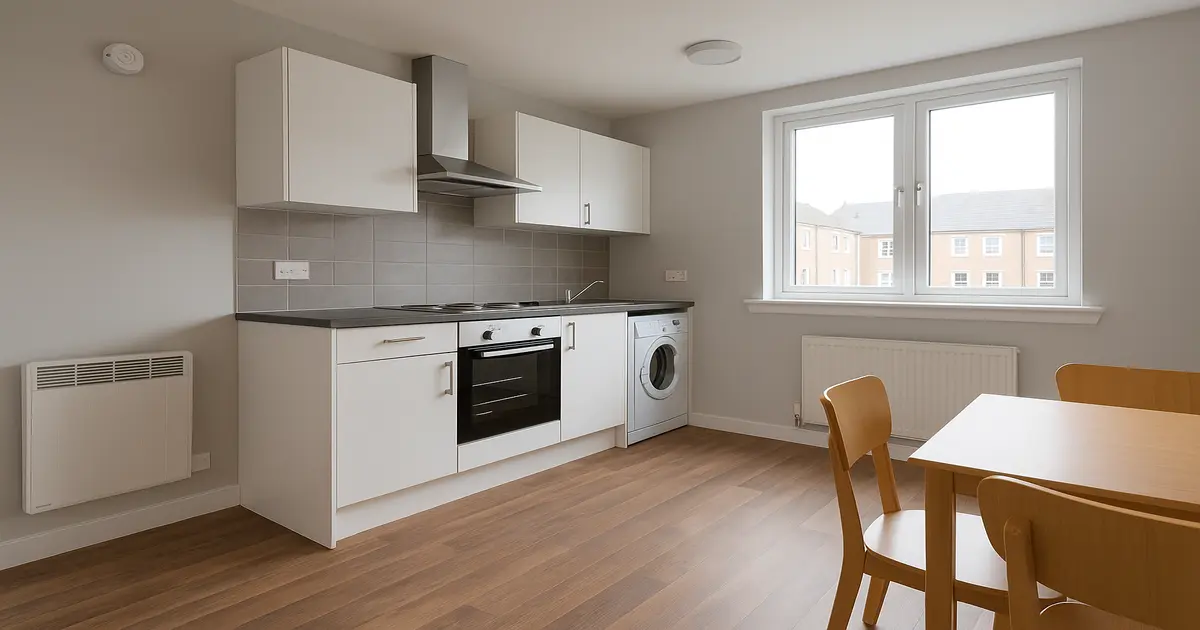
Landlords must now provide access to a kitchen with facilities suitable for the safe preparation and cooking of food.
This includes ensuring adequate space, working surfaces, and appliances appropriate for modern standards of living.
This reform addresses situations where tenants were left with unsafe or insufficient facilities that compromised their well-being.
Consent for Common Parts
Landlords are now expected to take reasonable steps to ensure they have the necessary rights and consent to carry out work in common areas of a building, such as stairwells, roofs, and external walls.
If permission cannot be obtained, the landlord must be able to demonstrate that they have attempted all reasonable measures.
This protects tenants from living in properties where landlords fail to carry out essential repairs due to disputes or neglect relating to common areas.
Lead-Free Water Supply
A new requirement ensures that rental homes must have a water supply free from lead piping, reflecting health and safety concerns. While this has been standard in modern builds, older properties are particularly affected and may require inspection and upgrading.
Safe Access to Common Facilities
Landlords must ensure that tenants can safely access standard facilities, such as refuse areas, mail collection points, and outdoor spaces, where relevant.
Other Updates
In addition to the major reforms, the Repairing Standard also clarifies and strengthens existing obligations relating to:
- Safe and secure electrical installations.
- Windows that can be opened and provide natural ventilation.
- Energy efficiency in line with environmental policy.
Impact on Landlords
The new Repairing Standard significantly raises expectations for landlords. Compliance requires:
- Inspection and Assessment: Landlords must review properties to ensure heating, kitchens, and water supplies meet the new requirements.
- Investment in Upgrades: Many landlords, especially those with older housing stock, will need to invest in repairs, new appliances, or full system replacements.
- Documentation and Evidence: It is not enough to say improvements have been made; landlords should maintain records of upgrades, certificates, and correspondence related to obtaining consent for standard parts.
- Proactive Management: Failure to comply may lead to disputes, tribunal action, or restrictions on renting out a property.
The First-tier Tribunal (Housing and Property Chamber) in Scotland will continue to oversee disputes where tenants claim landlords are not meeting the Repairing Standard. With the new duties in force, landlords can expect increased scrutiny.
What Tenants Should Expect
For tenants, the expanded Repairing Standard means stronger legal protection and improved housing quality. From 1 March 2024, tenants can:
- Request that landlords address failures relating to heating, kitchens, or water safety.
- Apply to the First-tier Tribunal if landlords refuse or delay repairs.
- Expect clear communication about any standard parts issues and evidence of the landlord’s attempts to resolve them.
This provides tenants with a more secure basis to challenge poor housing conditions and demand fair treatment.
Challenges in Implementation
While the goals of the expanded Repairing Standard are clear, practical challenges remain:
- Costs: Smaller landlords may struggle to afford major upgrades, particularly in older tenements where obtaining consent for common repairs can be challenging.
- Disputes over Common Parts: Gaining consent for work in shared areas can be complex, often involving multiple owners with conflicting interests.
- Timeframes: With the changes already live, some landlords may be racing to bring properties up to Standard.
Nevertheless, the long-term benefit is a healthier and fairer rental sector.
Enforcement and Penalties
If a landlord fails to comply with the Repairing Standard, tenants may bring a case to the First-tier Tribunal. The Tribunal can:
- Issue a Repairing Standard Enforcement Order (RSEO), requiring landlords to carry out specific works.
- Impose deadlines and monitor compliance.
- Prohibit landlords from renting out the property until the works are completed.
Failure to comply with an RSEO is a criminal offence, carrying further consequences for landlords.
Looking Ahead
The Repairing Standard is not static. As Scotland progresses with broader housing reform, including energy efficiency measures and environmental standards, landlords should expect further updates.
The changes effective from 1 March 2024 represent a significant step towards equalising standards across housing sectors and improving tenant welfare.
FAQs on the Repairing Standard New Requirements from 1 March 2024
What is the Repairing Standard?
It is the legal benchmark under the Housing (Scotland) Act 2006 that defines the minimum conditions private rental properties must meet.
When did the new rules take effect?
The expanded Repairing Standard came into force on 1 March 2024.
Do landlords need to install fixed heating?
Yes. Every property must have a fixed heating system capable of maintaining a comfortable temperature within the home. Portable heaters are not sufficient.
What about kitchens and cooking facilities?
Landlords must ensure that tenants have safe and practical facilities for preparing and cooking meals.
What happens if the consent for standard parts is refused?
Landlords must show they took reasonable steps to obtain consent. If consent is refused, they cannot be penalized, but they must demonstrate a genuine effort.
What if a landlord fails to comply?
Tenants can apply to the First-tier Tribunal, which may issue an enforcement order or prevent the property from being rented until compliance is achieved.
Conclusion
The Repairing Standards’ new requirements, taking effect from 1 March 2024, mark one of the most significant reforms in Scottish rental law in recent years.
By expanding obligations to include fixed heating, kitchens, safe cooking facilities, and standard parts consent, the legislation ensures that private tenants benefit from consistent, high-quality living standards comparable to those in social housing.
For landlords, the changes mean greater responsibility, potential investment, and closer scrutiny. For tenants, they provide stronger protections and the right to challenge substandard housing.
Ultimately, the expanded Repairing Standard is a decisive step toward safer, fairer, and healthier rental housing across Scotland.
Our top-read blogs:
Is Commercial Property a Good Investment in England & Wales?
Commercial Property Rent Review Protocol
Investing in Commercial Property vs Residential Property: The Advantages and Disadvantages
The British Landlords Association is a national landlord association, one of the largest in the UK. The BLA is the only landlords’ association in the UK that represents and supports both commercial and residential landlords. Join us now for £89.95!